
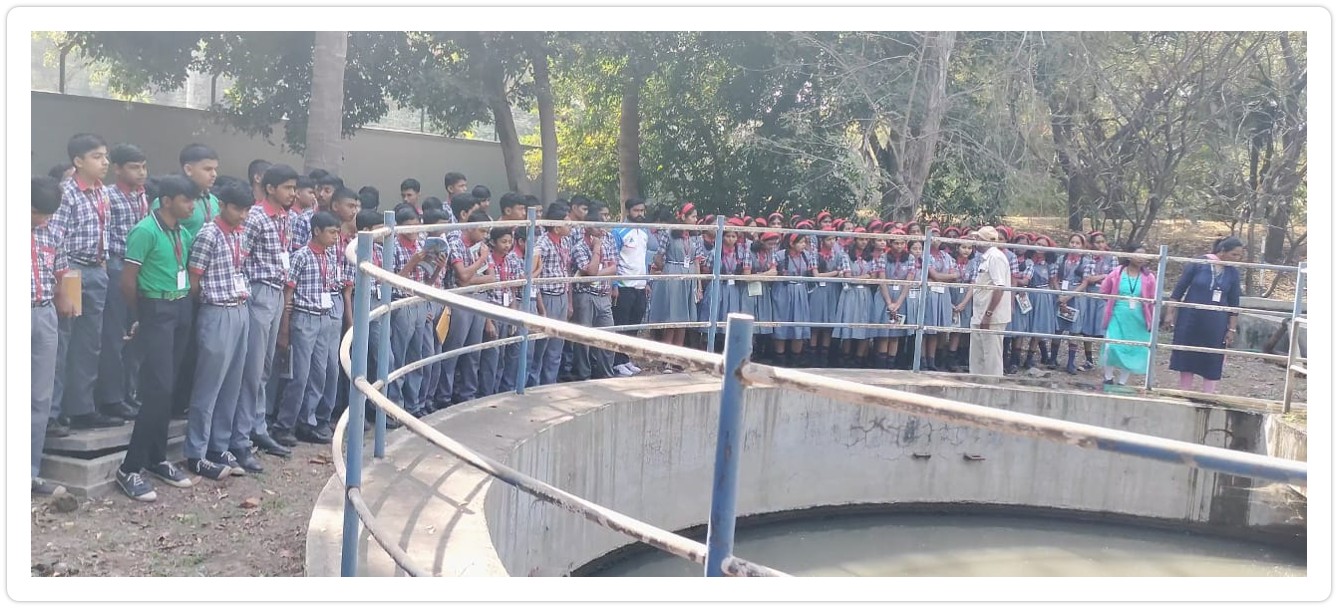
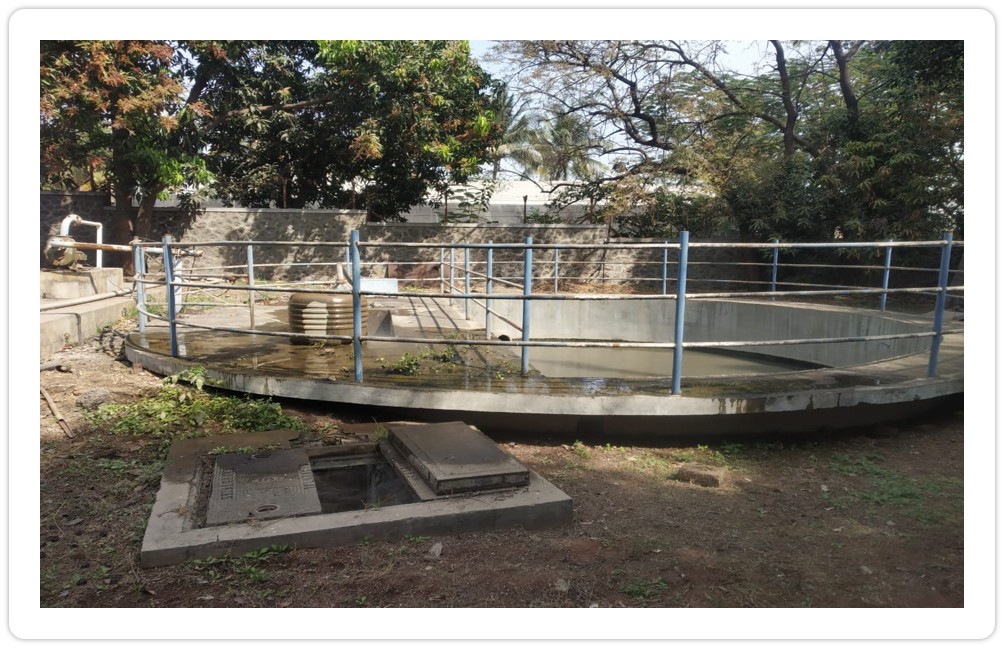
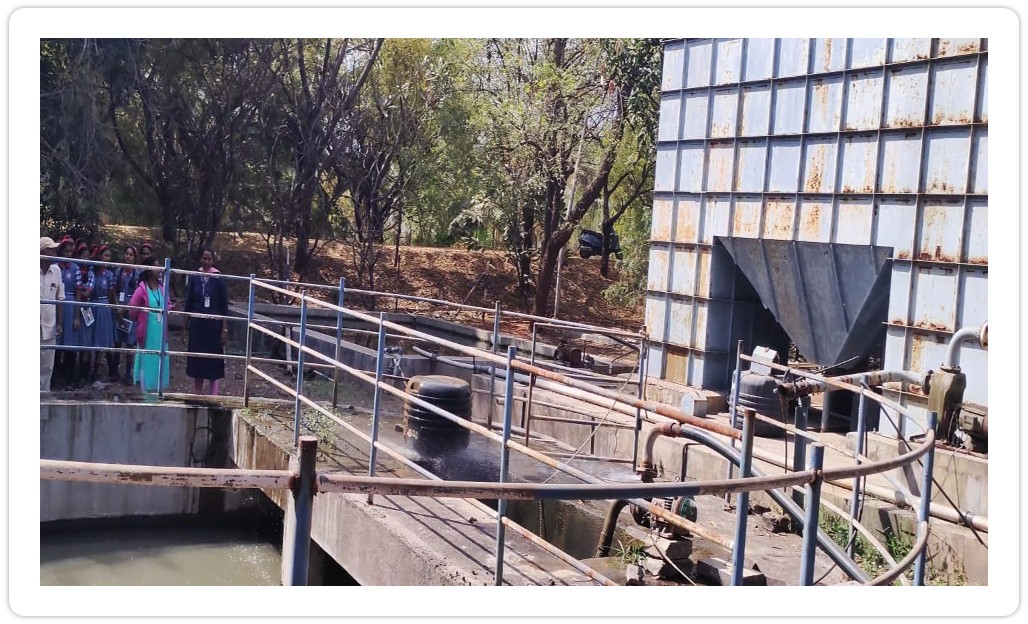
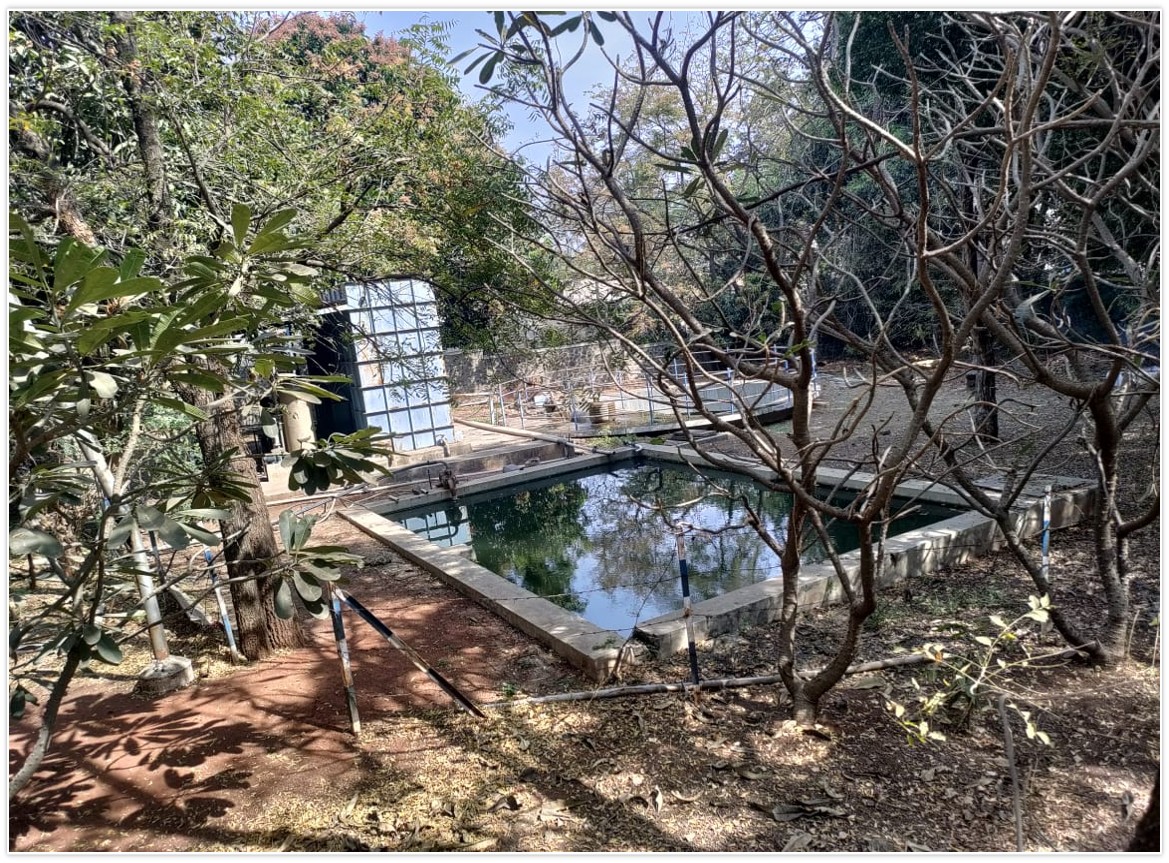
Sewage Water Treatment Tank Nakshatra Garden, Vidya Pratishthan - Baramati
Benefits of Installing an SWTP
Environmental Protection:
Treated sewage reduces water pollution and protects natural ecosystems.
Water Conservation:
Treated wastewater can be reused for landscaping, irrigation, and flushing, reducing dependence on freshwater resources.
Regulatory Compliance:
Adherence to pollution control standards avoids legal penalties and enhances institutional reputation.
Cost Savings:
Reuse of treated water lowers water procurement costs over time. At our school, treated water is practically used for watering plants, maintaining greener grass pitches, and cooling down outdoor areas during extreme heat or windy conditions, thereby ensuring sustainable and efficient usage.
Community Health:
Proper treatment minimizes the risk of waterborne diseases.
Solar Panels - Energy Production and Environmental Protection
Reduced Electricity Bills
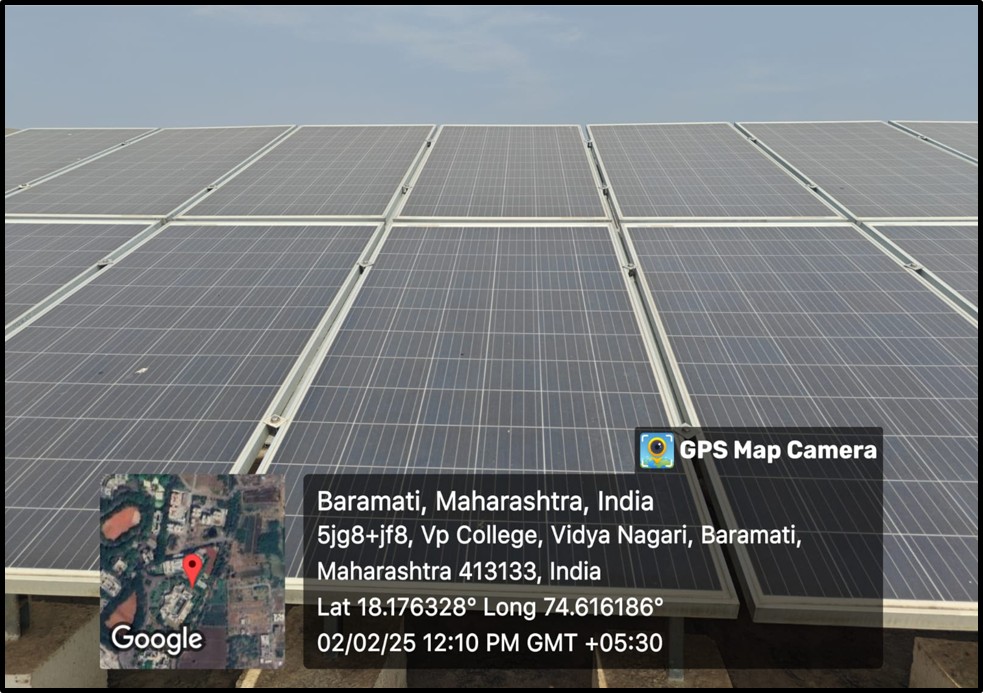
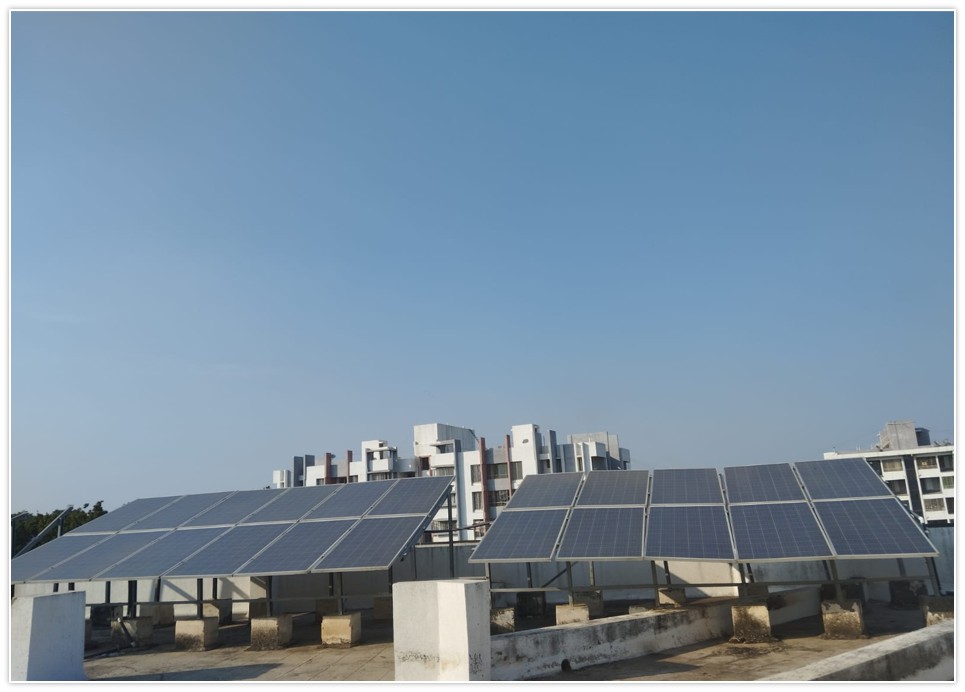
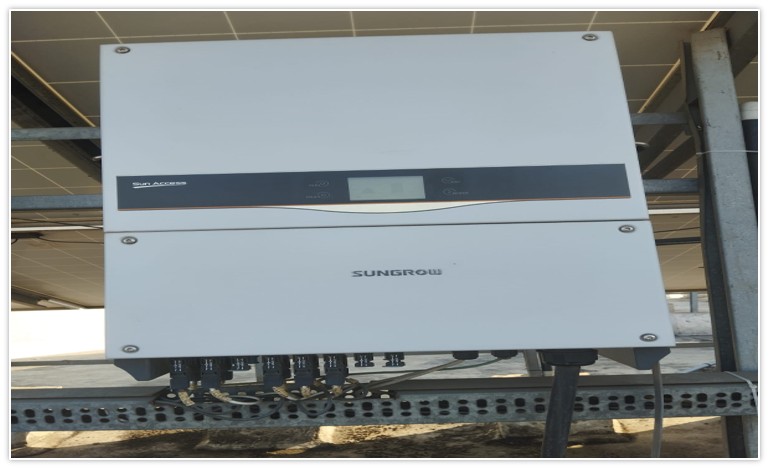
Solar energy generated on campus is supplied to the Maharashtra State Electricity Board, earning concessions that significantly lower our school’s electricity bills, freeing up funds for academics and green initiatives.
Sustainability in Action
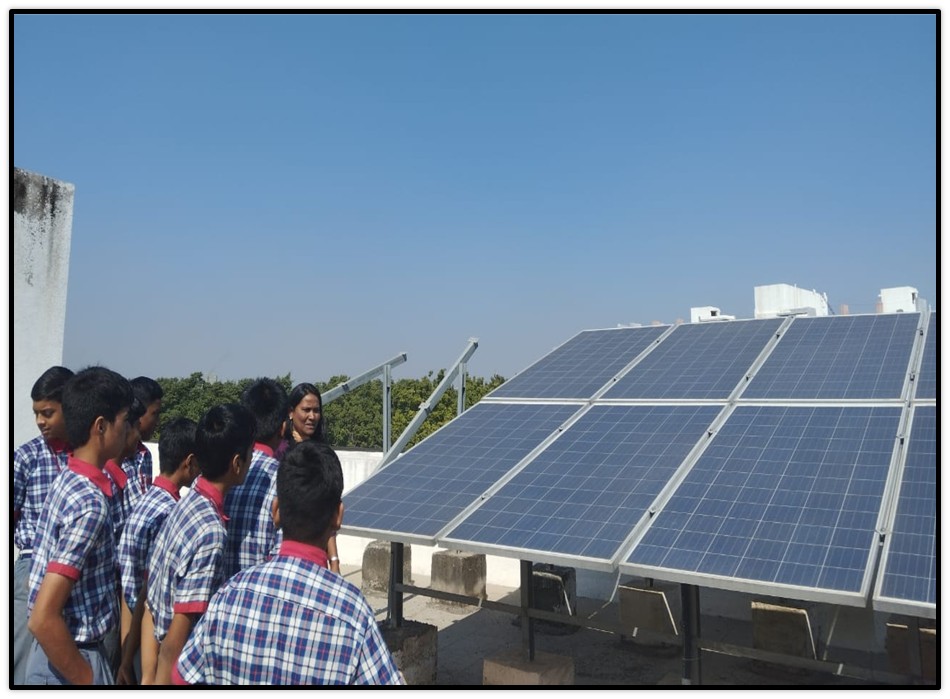
Students witness real-time green energy generation, making textbook knowledge about renewable energy come alive.
CBSE Integration
Aligned with CBSE’s focus on sustainable practices, this hands-on experience encourages students to take part in energy audits and project-based learning on solar technology.
Carbon Footprint Reduction
By cutting down our reliance on fossil fuels, the school has actively contributed to reducing greenhouse gas emissions.
Paper Recycling Unit
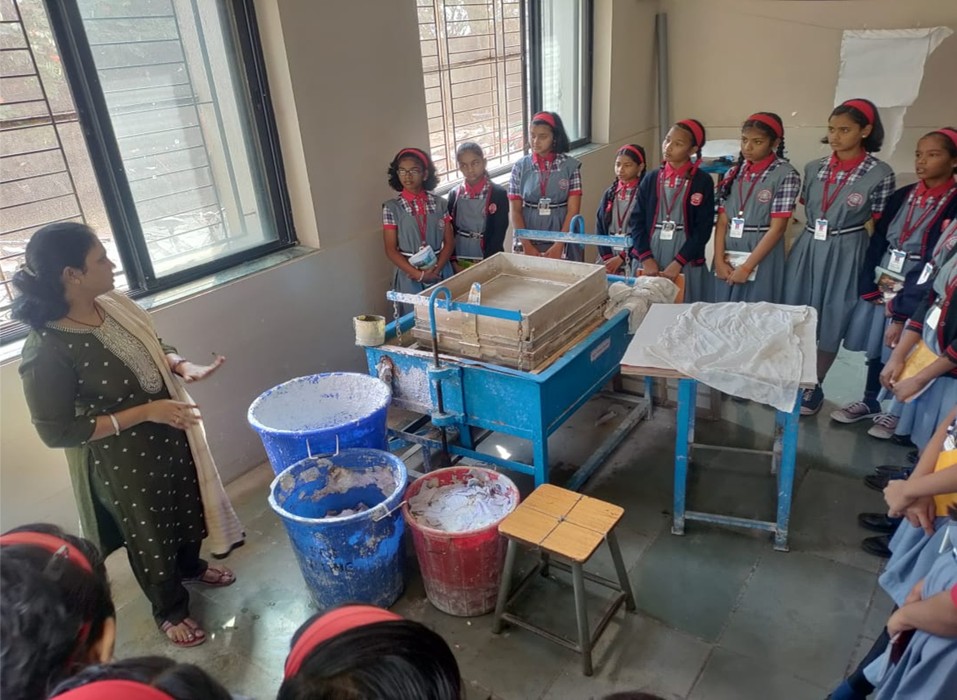
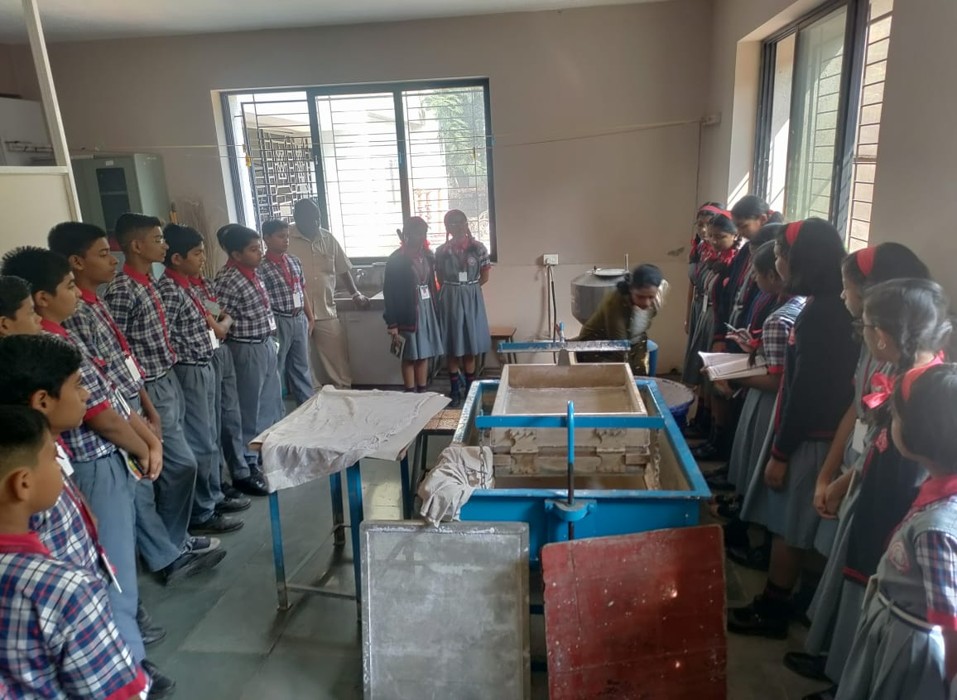
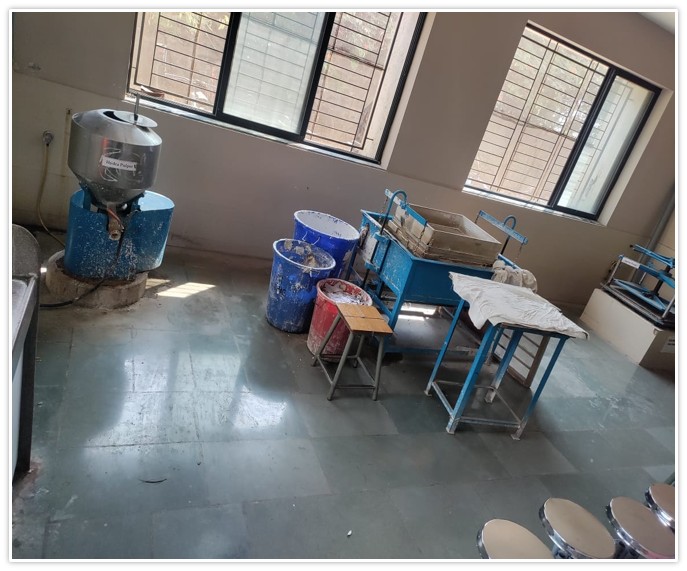
- In our school, we recycle old notebooks, used worksheets, newspapers, cardboard, and scrap paper to create useful educational and creative materials.
- This initiative not only reduces paper waste but also encourages students to practise sustainability.
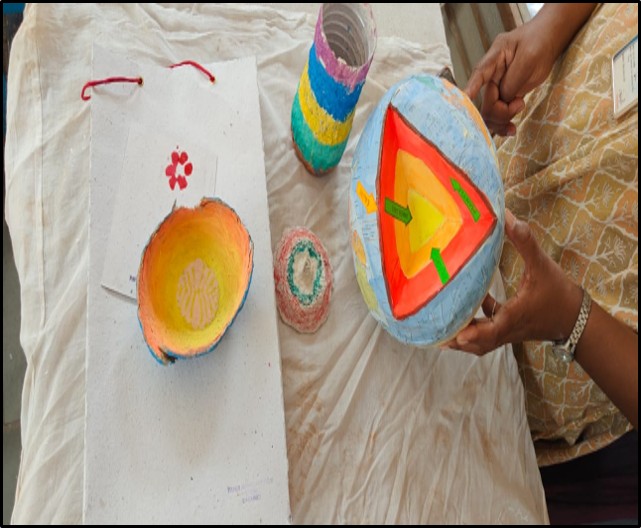
- Students used recycled paper to create flashcards, charts, and posters that now support daily classroom learning.
- Handmade notebooks and practice books were prepared from old paper, helping reduce the need for new stationery.
- Eco-friendly folders and paper bags were made for school events and organizing documents.
- Art and craft items like greeting cards, photo frames, and models were designed using recycled materials during activity periods.