
Waste Reduction through composting
Waste Reduction through Composting:
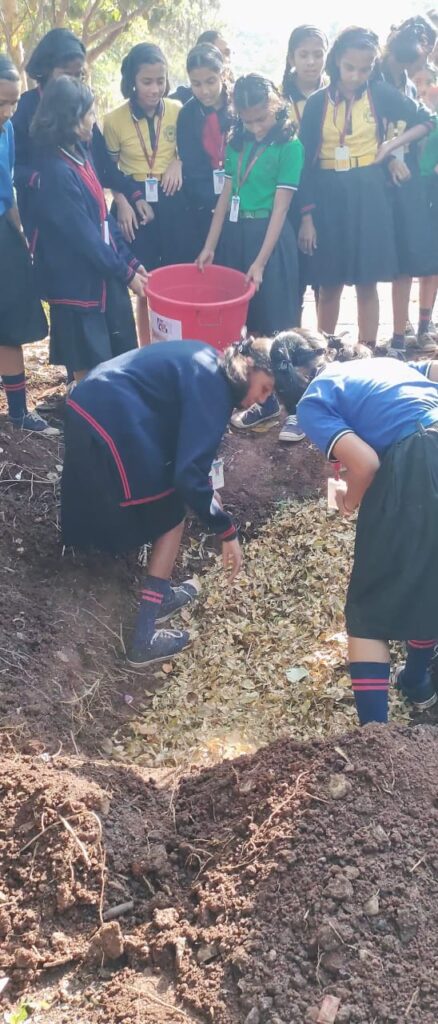
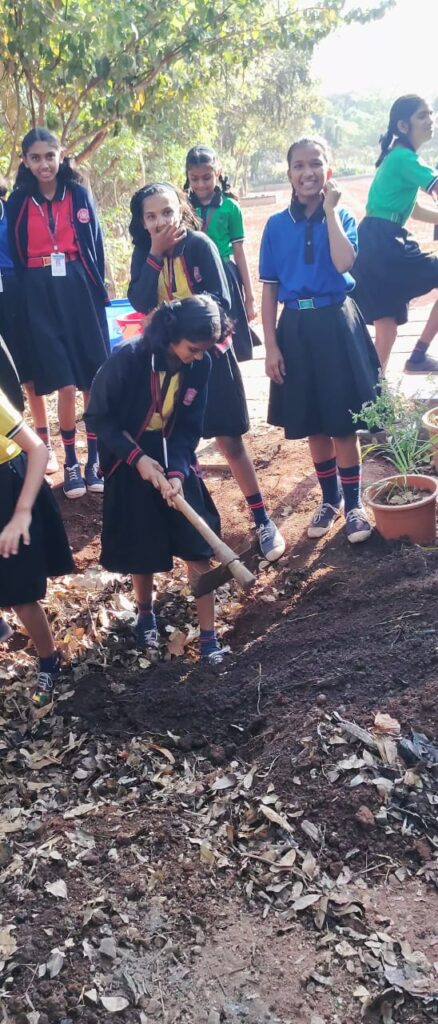
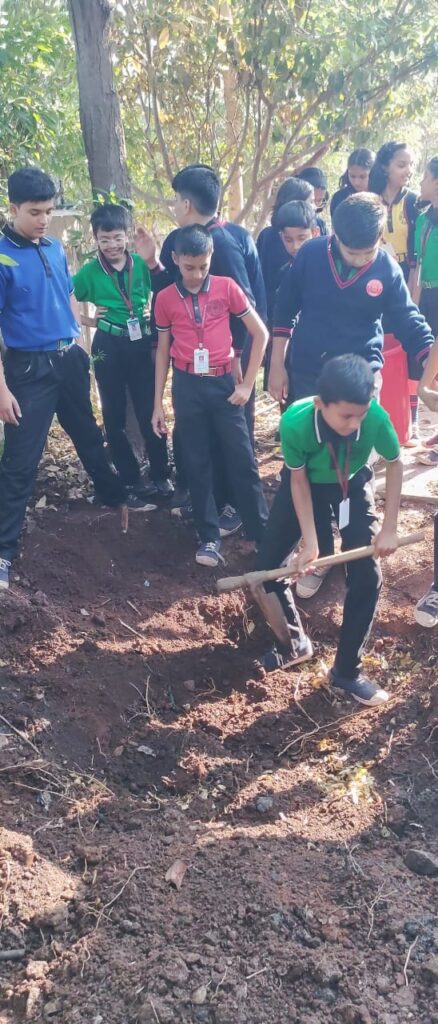
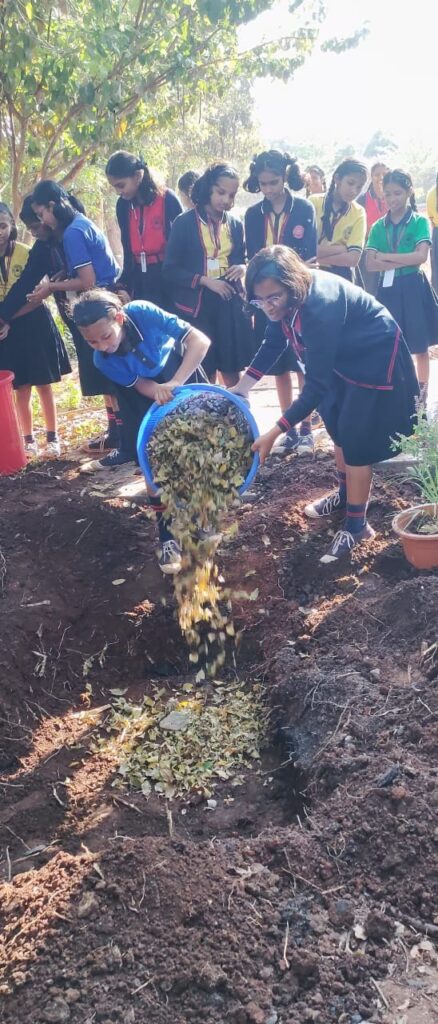
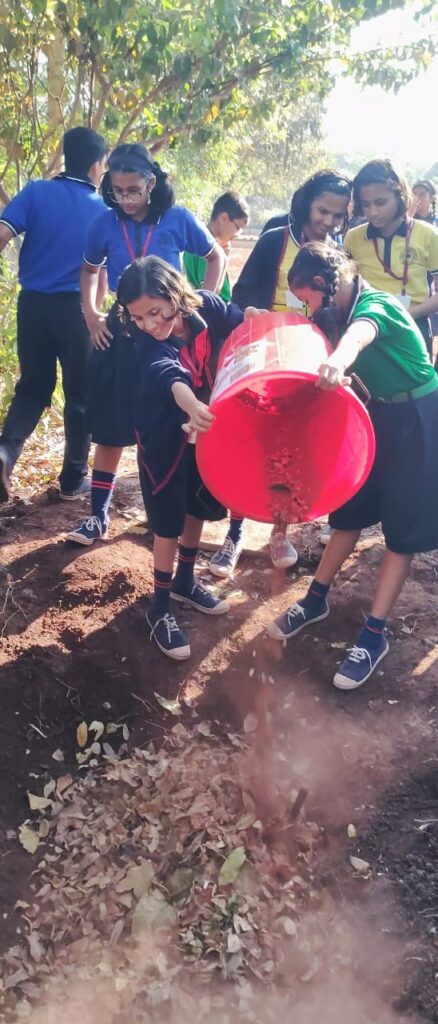
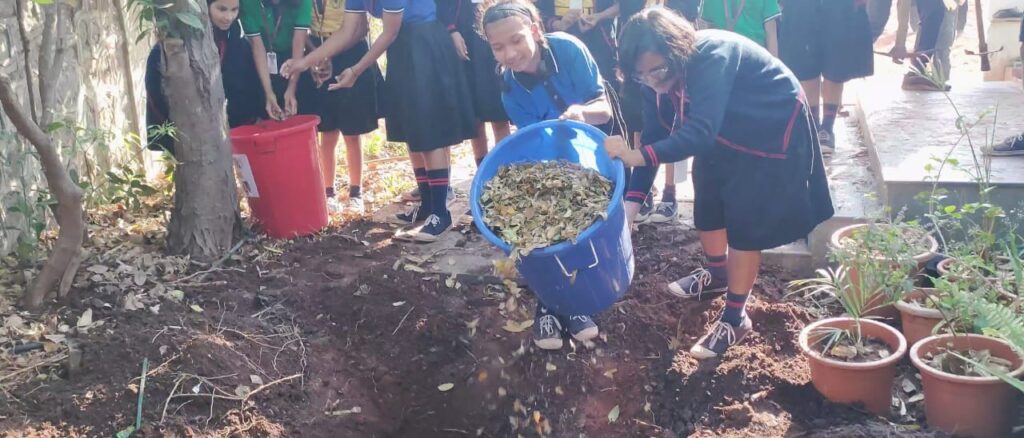
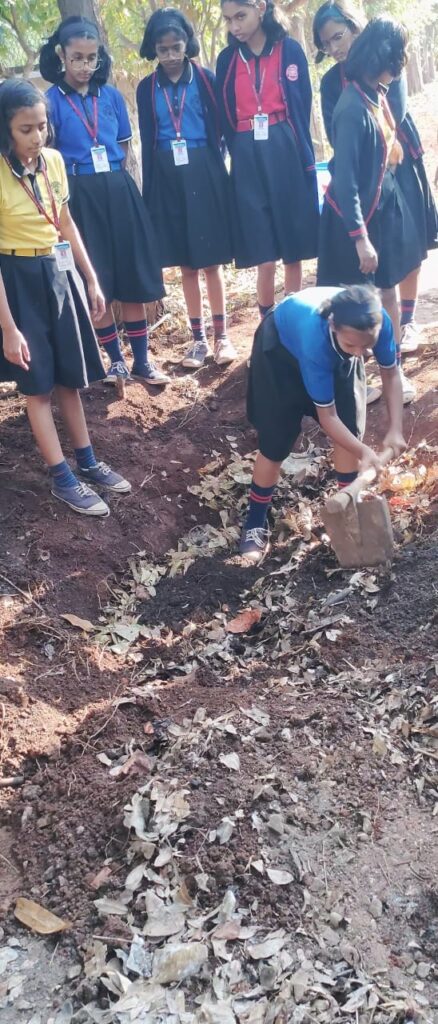
As a part of our school’s sustainability initiative, we organized an activity for students to create a compost pit and learn about waste reduction. The goal was to educate students on the importance of reducing waste and promoting environmentally friendly practices.
Objective:
– To create a compost pit using food waste and other organic materials
– To educate students on the benefits of composting and waste reduction
– To promote environmental awareness and sustainability practices among students
Activity:
1. Collection of Organic Waste: Students collected food waste, leaves, and other organic materials from the school garden.
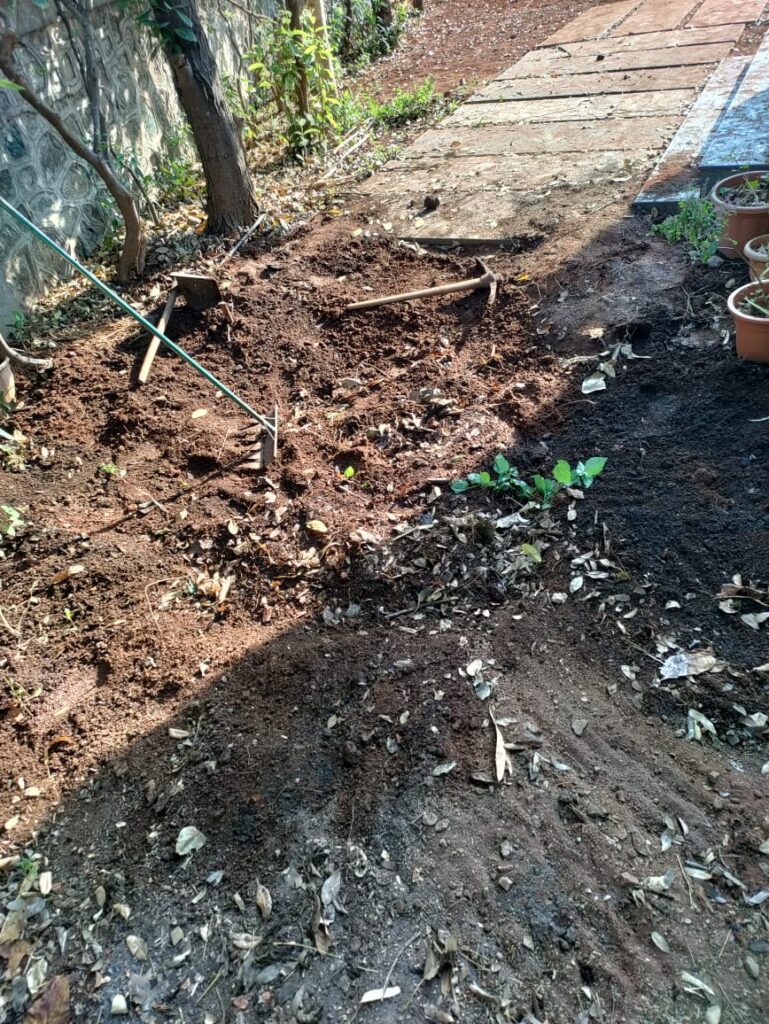
2. Creating the Compost Pit: Students dug a pit in the school garden and layered it with organic materials, soil, and other composting agents.
3. Maintenance and Monitoring: Students were responsible for maintaining the compost pit, adding new materials, and monitoring the decomposition process.
4. School conduct workshops for parents on composting methods.
5. Organize competitions for best home compost practices.
6. Include composting demonstrations in school science fairs or eco-club activities.
7. Share success stories of families composting at home to build a model community.
Benefits of Composting:
– Reduces waste sent to landfills
– Creates nutrient-rich soil for gardens and plants
– Conserves water and reduces the need for chemical fertilizers
– Helps mitigate climate change by reducing greenhouse gas emissions.
– Composting kitchen waste at home is a practical, scientific, and sustainable solution to household waste management.
– By converting waste into a valuable resource, parents can actively contribute to environmental protection and serve as role models for their children.
– Schools, as centers of learning and community engagement, play a pivotal role in promoting this green practice.
Student Outcomes:
– Students gained hands-on experience with composting and waste reduction
– Students learned about the environmental benefits of composting and sustainability practices
– Students developed teamwork and problem-solving skills through the activity
Conclusion:
The compost pit activity was a huge success, and students showed great enthusiasm and interest in learning about waste reduction and sustainability practices. We plan to continue this initiative and expand it to other areas of the school, promoting a culture of sustainability and environmental responsibility among our students.